
The red berries on the bush in the backyard were the only color that bleak morning in November. My eyes sat fixated on their crimson coats, for everything else seemed as dead as I felt. I sipped my coffee, eyes transfixed, mind blank, body breathing yet dead inside. My skin appeared as grey as the sky that cold morning. My heart broken yet beating, as if to mock my very existence.
There was nothing, there is nothing, and there shall be nothing. Anyone who dared challenge my logic would find themselves cut to shreds by my razor-sharp tongue. I had no time for fools, and I would not suffer them. I had suffered enough.
My stomach growled, and I entertained the idea of breakfast, but shuddered at the thought of cooking. Perhaps I could manage to butter a piece of bread and wash it down with a glass of milk. Perhaps I’d just have another cup of coffee.
I pulled myself out of the chair and away from the kitchen table, and shuffled to the counter where the coffee maker sat awaiting my arrival. If only everyone could be as dependable as a coffee maker. If only they’d take their allotted coffee grounds and water and brew the elixir of life. That’s what coffee had become since her death. Without it I feared I wouldn’t function at all.
I slumped against the kitchen counter whilst exhaling the agony that consumed my heart when I thought of her.
“Vera, my dear Vera, how could you leave me? How could you let death take you away? Why didn’t you fight harder? Why didn’t death take me as well?” I muttered.
Foolish…it all seemed so foolish. Why did I survive? I had been as sick as she, hadn’t I? My fever was higher. I complained more. Vera had been strong, telling me it was just the flu, and that it would pass in time. The only thing that passed in time was Vera. I still felt sick. Only now I was sick in my heart and my mind, as well as my body.
Vera said a lot of things, and a lot of them were untrue. She told me she’d get better. She didn’t. She told me she loved only me, but that too was a lie. She denied it, naturally, but I knew. I saw the way she looked at Vincent. I saw the way she longed for his embrace. “Vera! Can you hear me, Vera? I know you loved him. I know about you and Vincent!”
Nothing—there was never a reply. I often wondered had she really died? Or had she feigned her own demise to be with him?
I did not see her body after she had been pronounced dead. Vincent said it was better that way. It would seem madness—nothing but grief-stricken madness—if not for the fact that Vincent was a physician, and he was Vera’s physician at that. I couldn’t help but wonder if the good doctor had offered Vera a way out of her life with me and in to a life with him. The thought consumed me. It haunted me like a spirit who insistently whispered the name of my beloved Vera.
I thought of the shovel in the garage. I thought of the cemetery and how the cover of night would assist me. I thought about my beautiful Vera, so pure, rotting away like a putrid apple with a worm-riddled core.
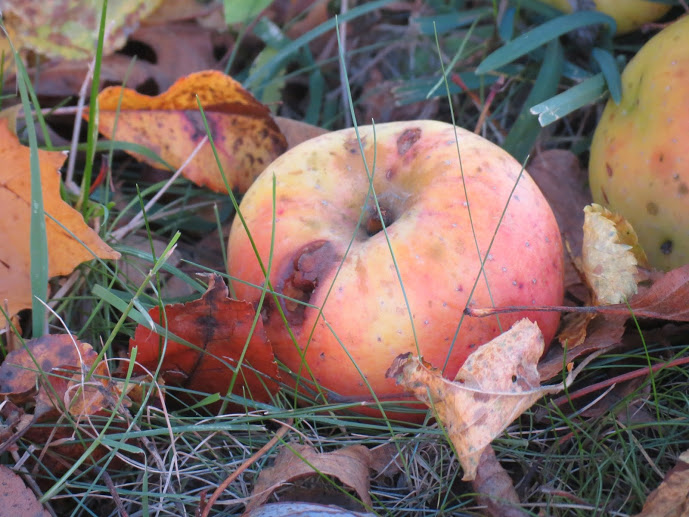
So pure—the thought made me laugh. Maybe once, but not after Vincent’s filthy hands had run all over her milky-white, flawless skin. The very thought of it made my stomach turn, and I tossed my coffee into the kitchen sink—its milk-white porcelain now stained, just like my Vera.
I felt wretched; my body still weak from the influenza. I made my way to the sofa in the parlor and collapsed. I awoke late that afternoon as the sun was setting. I sat up and found myself feeling much better. I thought about the shovel again. The cover of darkness would be waiting by the time I arrived at the cemetery. I hurried upstairs to dress, and I was off with the shovel in the trunk of my car.
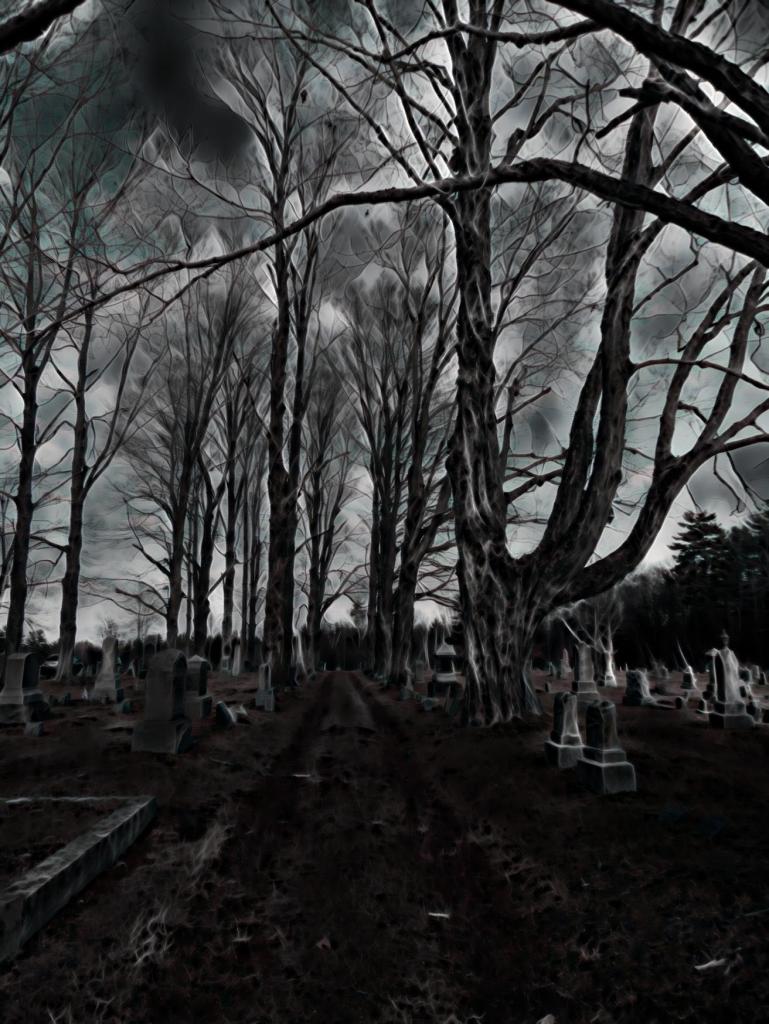
It was dark when I arrived at the cemetery, just as I knew it would be. I parked the car, grabbed the flashlight out of the glove box, and retrieved the shovel from the trunk. I headed towards Vera’s grave. At last I’d have my answer. At last I’d have my proof.
The shovel hit the top of Vera’s casket. I felt a rush of excitement. As giddy as a school boy with a crush, I carefully removed the dirt that covered the coffin. What if my beloved Vera was in there? What if she had not betrayed me with Vincent?
I pried open the casket. I fumbled for the flashlight. My heart was pounding in my chest, mocking my existence once more.
There she laid, my beautiful Vera. She did not look like a rotting apple with a worm-riddled core. She looked like a sleeping angel, so pure, so precious. How could I have ever doubted her?
Oh Vera, will you ever forgive me for doubting you?”
“Edgar,” said a voice from above.
I turned, flashlight in hand, and looked upward. I could not believe my eyes. It simply could not be.
“Vincent! What are you doing here?”
“Tying up loose ends, of course,” Vincent said and hit me in the head with my own shovel. I fell upon my beloved Vera as my head swam and throbbed.
Vincent grabbed hold of my legs and lifted them into the casket. There I lay on top of Vera, face to face. I could smell her death, and the foreboding of mine.
“I had a burning desire for Vera,” Vincent began, “but she wouldn’t have me. One night I drank too much and forced myself on her. She said she was going to tell you and ruin me. I couldn’t allow that to happen.”
I felt rage roar deep within, but my head still swam. I wanted to get up, grab the shovel, and beat Vincent to death. I wanted to kick his insides around the graveyard. I wanted to crack open his skull and piss on his brain.
Despite my swimming head, I tried to rise, but Vincent struck me again with the shovel, this time to my upper back. I fell again on top of Vera.
“So, when Vera fell ill,” Vincent continued, “I paid her a visit while you were out, and I smothered her with your pillow. Did you hear me, Edgar? I killed her with your pillow, and you thought she had succumbed to influenza.”
As Vincent laughed, anger consumed me. I wanted him dead. I tried to rise once more to seize Vincent, and end his guffaw along with his life.
Vincent yet again struck me with the shovel. The blow to my head sounded like a crack of thunder.
I thought of Vera. I thought of the red berries on the bush in the backyard with their crimson coats. I thought of the blood trickling down the side of my face staining Vera’s ivory laced coffin pillow. I thought of the kitchen sink, stained with coffee and how nothing was pure. I thought how I would become like Vera, with a worm-riddled core.
And then, I thought no more.
From my book: A Dark Quill
 SB LACROIX
Share your thoughts